Good product display is not only about what sits on the shelf. It is about how easily shoppers can understand the range, compare options and move through the store with confidence.
Custom shop fittings give retailers more control over that experience. By shaping furniture around the stock, the space and the way customers browse, bespoke fittings can turn a busy shop floor into a clear, practical and more enjoyable place to buy.
Why display flow matters in a retail space
Display flow is the path a shopper naturally follows as they enter, browse, pause, compare and make a decision. When the flow works well, products feel easy to find and simple to understand. When it is poor, even strong stock can look cluttered or disconnected.
Retailers often think about display in terms of individual units, such as counters, shelving, wall bays or display tables. Those pieces matter, but the bigger question is how they work together. A customer should be able to see where to go next, understand what each area offers and move between sections without feeling boxed in.
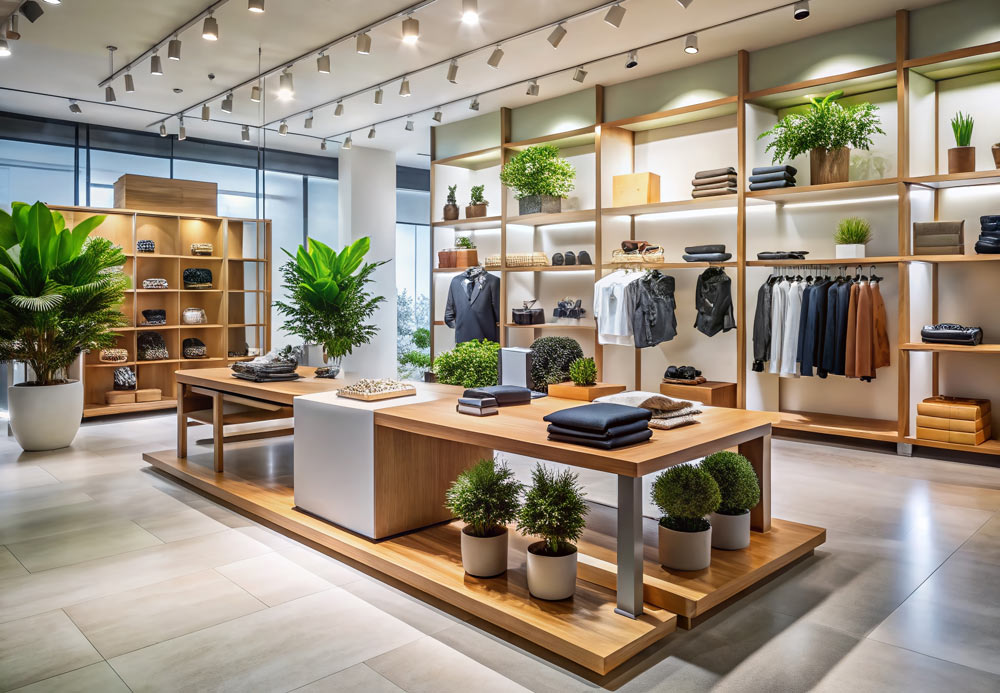
Custom shop fittings help because they are designed around the actual retail journey. A run of shelving can be made to suit product height and packaging depth. A counter can sit where staff need visibility and customers need support. Feature displays can be positioned to slow shoppers down at useful moments, without blocking movement.
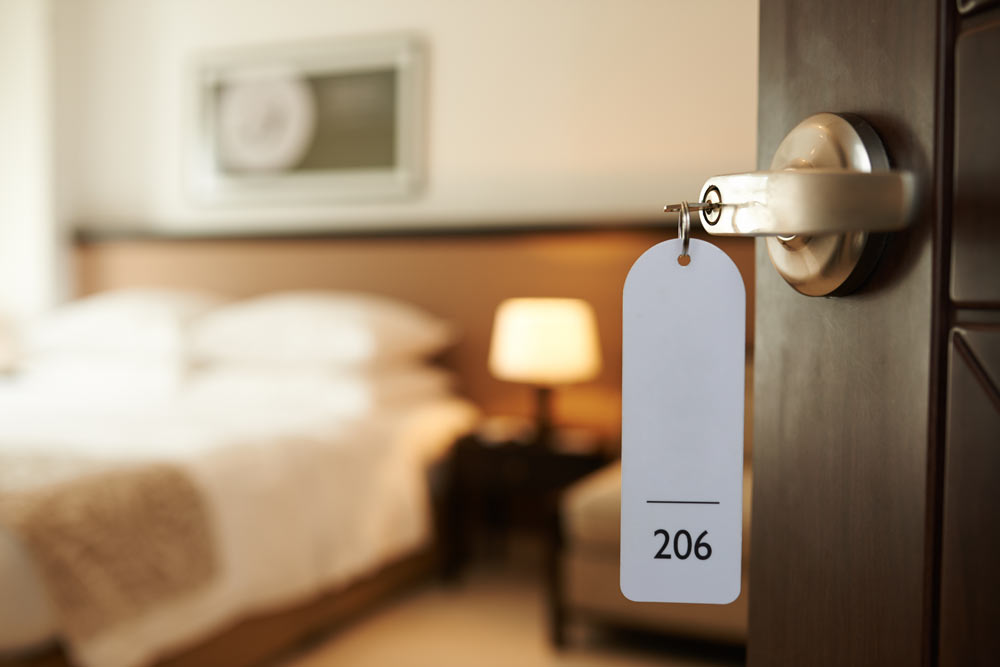
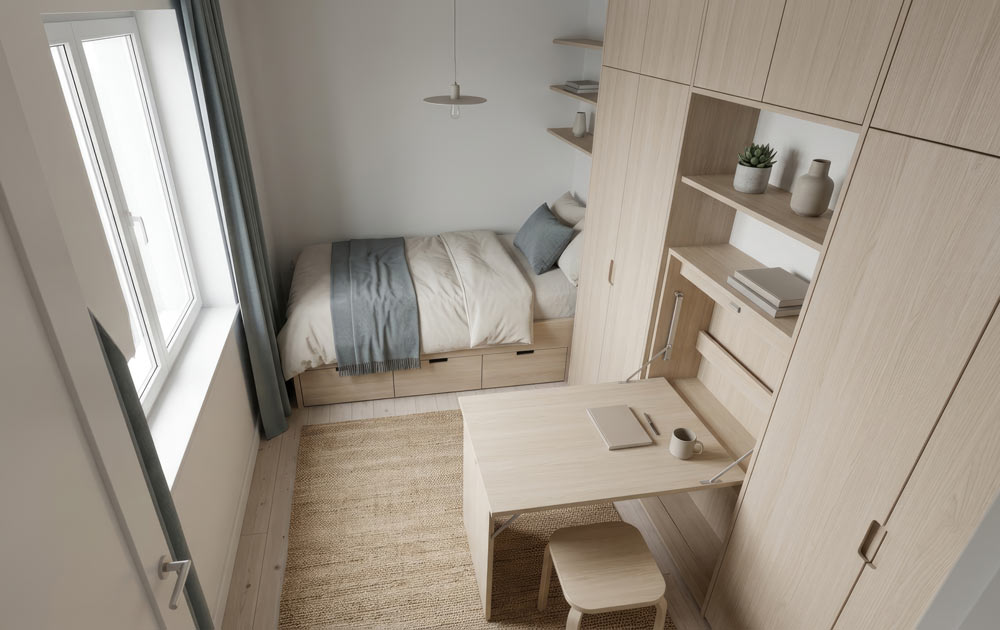
This is where bespoke shop and hotel fitting furniture can make a practical difference. Rather than forcing the shop to work around standard fixtures, the furniture supports the way the space needs to function.
Making products easier to see and compare
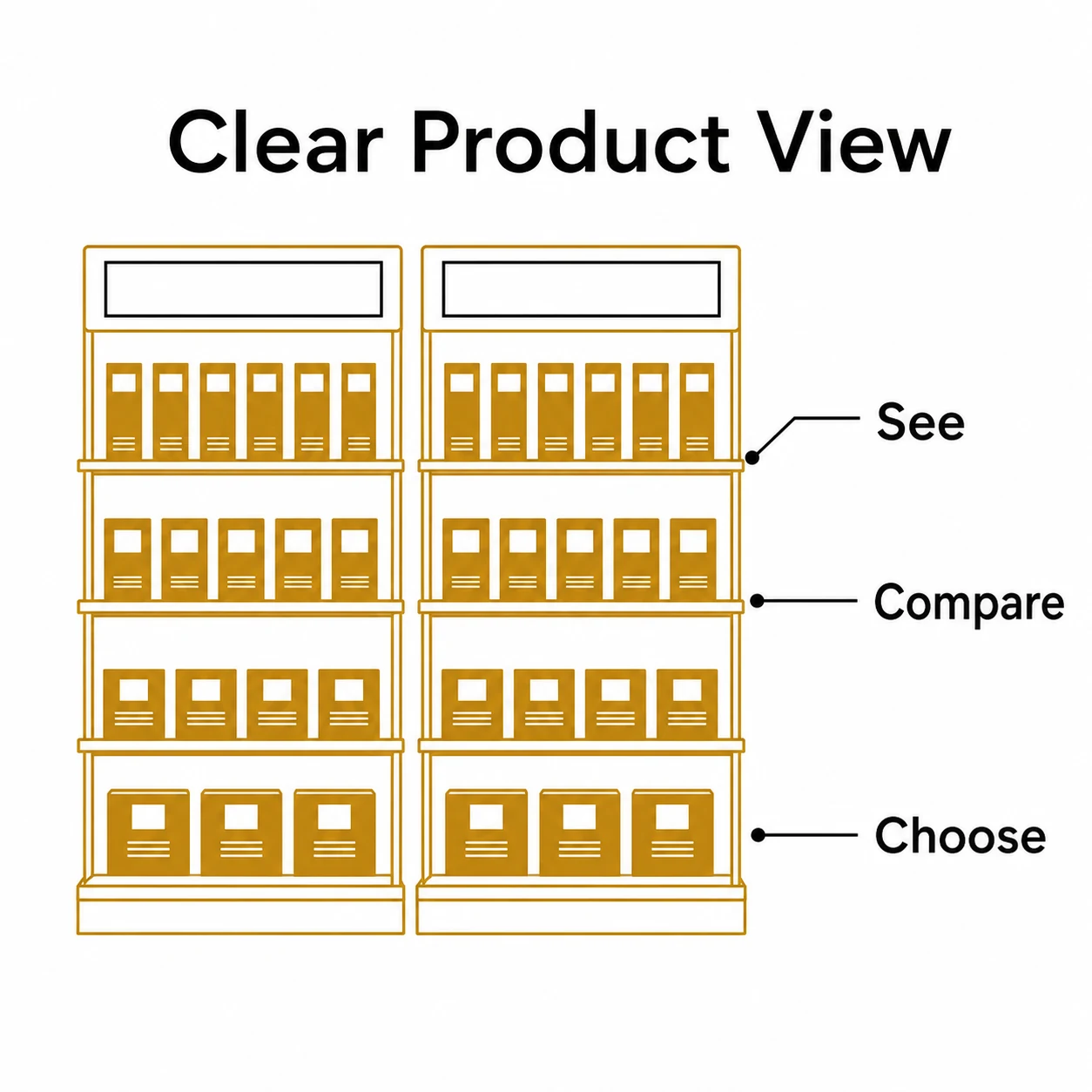
Clear product presentation starts with proportion. If shelves are too deep, smaller items can disappear. If units are too tall, key products may sit outside the natural line of sight. If display areas vary too much, the customer has to work harder to understand the range.
Bespoke shop fittings can be planned so each product category has the right type of support. Small boxed goods may need neat shelving with repeated spacing. Larger items may need stronger open displays. Premium ranges may need more breathing room, so the shopper can focus on fewer items at once. Accessories may need compact display points near related products.
Good fittings also help retailers group products logically. Similar items can sit together, while related items can be placed nearby to encourage useful comparison. This is especially helpful when customers are weighing up size, finish, material, function or price band. The furniture becomes part of the sales process by making those choices visible.
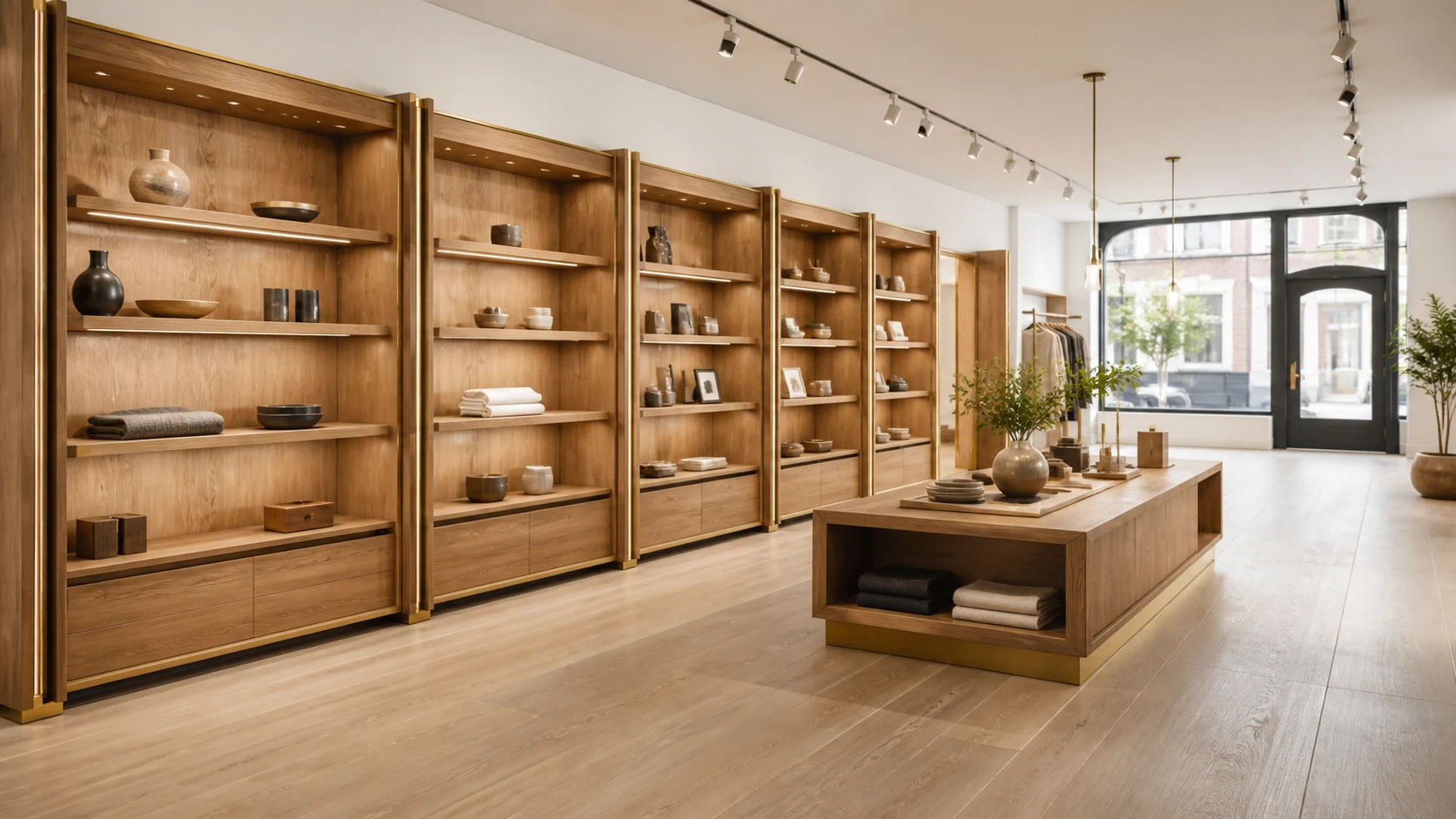
Bespoke wood shop fittings are often valued because they can be made to suit both the practical needs of the products and the overall feel of the store. Wood based furniture can bring strength, stability and a tailored finish, while still being shaped to suit detailed product layouts.
Using furniture to guide the customer journey
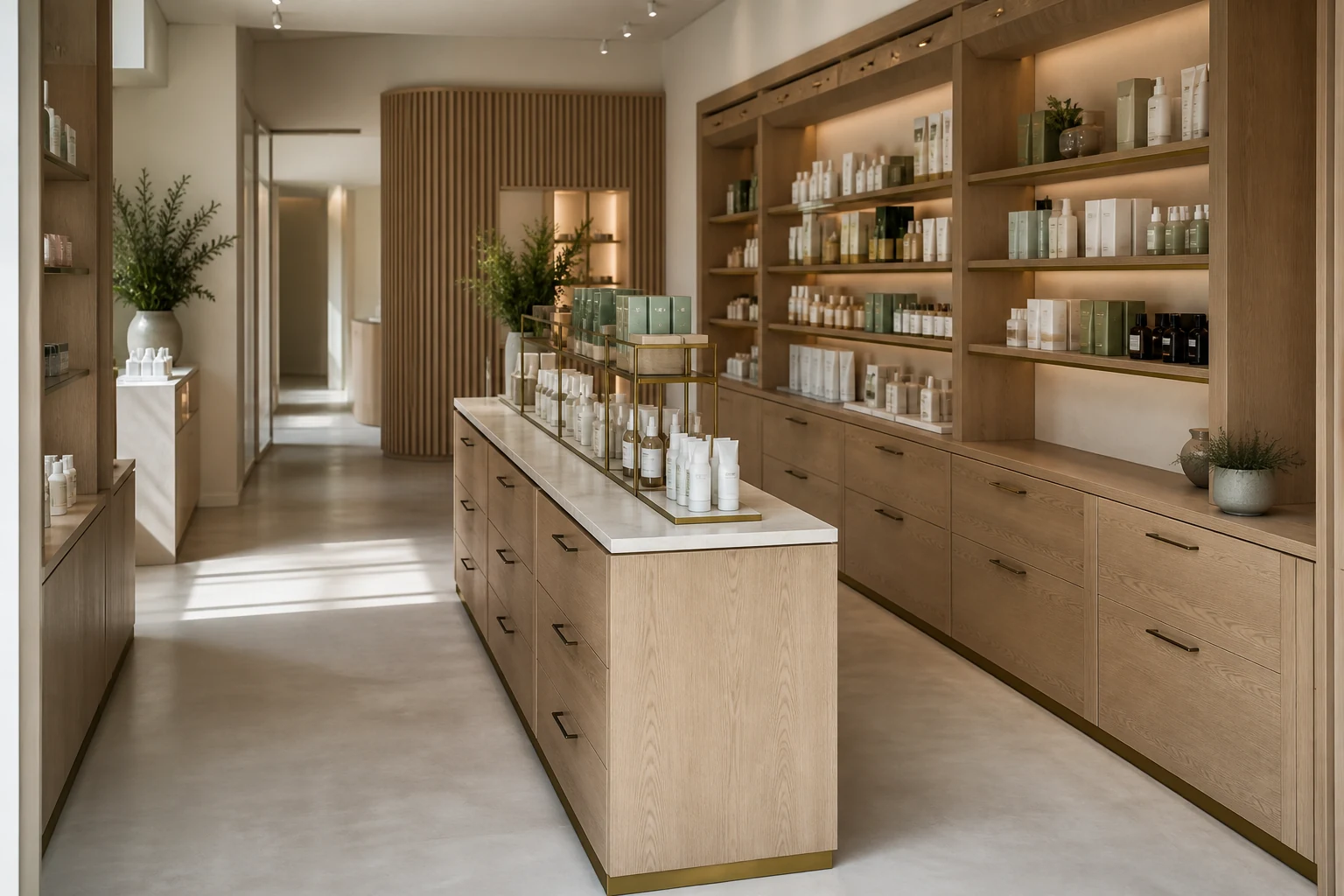
Retail layout should feel intuitive. A shopper should not need signs at every turn to understand where to go. The position, height and rhythm of fittings can quietly guide movement through the space.
Lower central units can preserve sight lines, making it easier for customers to see across the shop. Taller perimeter fittings can hold more stock without crowding the middle of the floor. Counters can mark service points clearly. Feature displays can create pauses in the journey, giving important products room to stand out.
Custom shopfitting joinery is useful because it can respond to awkward corners, narrow sections, columns, alcoves or unusual wall lengths. Instead of leaving dead space or squeezing in a standard unit that almost fits, bespoke joinery can make those areas useful. That helps the whole space feel planned rather than patched together.
Flow is also about comfort. Customers need enough room to browse without feeling they are in the way. Staff need access to stock, storage and service points. A well planned furniture layout supports both sides of the experience, helping the shop feel calm even when it is busy.
Building flexibility into the display
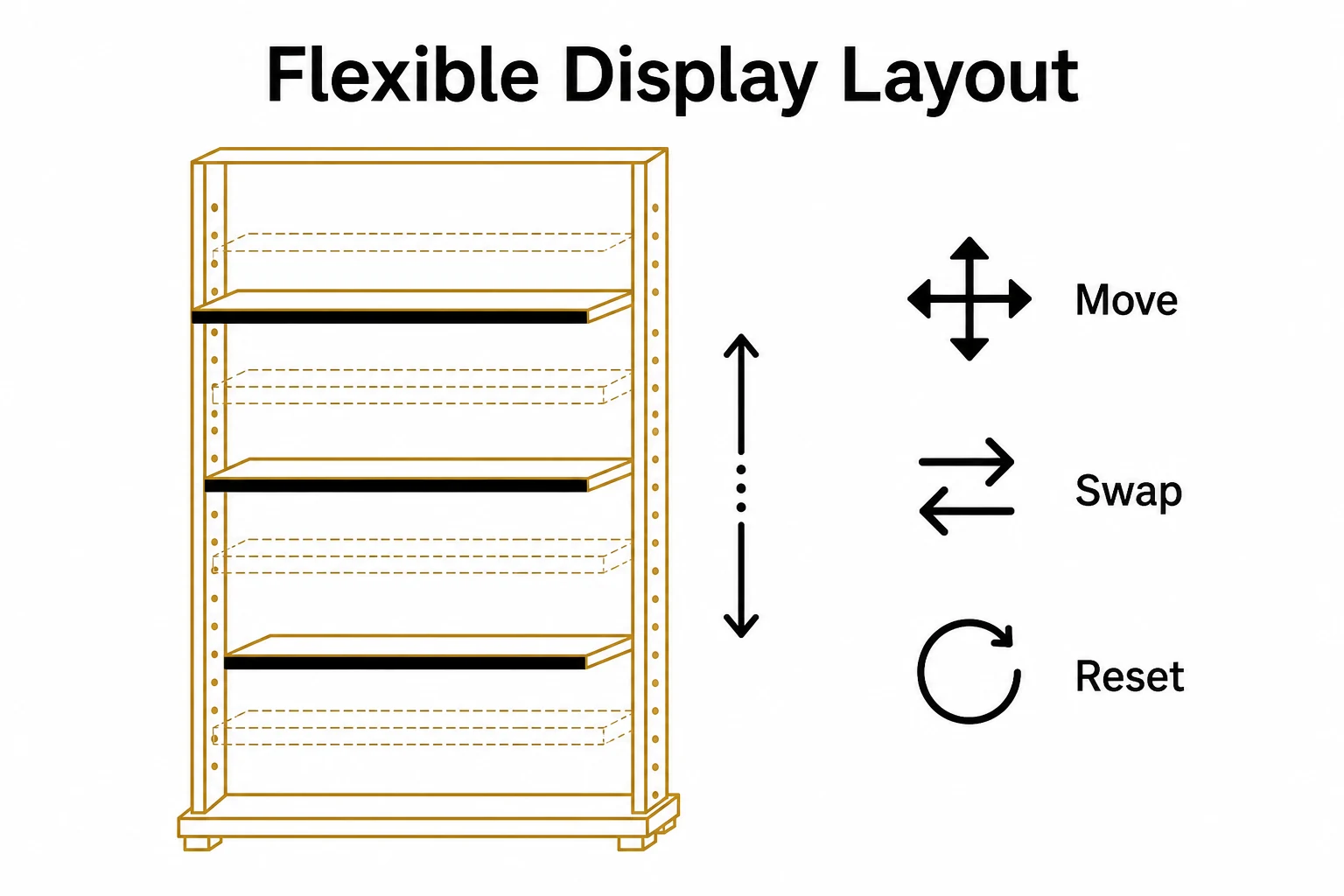
Retail displays rarely stay exactly the same. Seasons change, ranges move on and promotional priorities shift. Bespoke fittings can be designed with this in mind, giving retailers a more flexible base for future displays.
Adjustable shelves, modular display areas, removable rails, integrated storage and varied presentation levels can all make a shop easier to refresh. The aim is not to make every fitting moveable. It is to decide which parts of the store need stability and which parts need to adapt.
For example, core ranges may sit in fixed wall displays because they need consistency. New arrivals may benefit from flexible central tables or feature units. Smaller items may need drawers, cupboards or hidden storage close to the display area, so staff can restock quickly without disrupting the shop floor.
This kind of planning is one reason retailers often explore bespoke joinery for shopfitting projects. The value is not only in the finished unit, but in the thinking behind how the unit will be used day after day.
Supporting brand feel without overcomplicating the space
Shop fittings do more than hold products. They influence how customers read the business. A clean, consistent furniture scheme can make the range feel more organised, more considered and easier to trust.
This does not mean every shop needs elaborate furniture. In many cases, the best result comes from simple, well made units that suit the stock and avoid visual noise. Consistent materials, neat edges, considered proportions and practical storage can make a store feel more polished without distracting from the products.
Custom fittings can also help balance display and operation. A retailer may need customer facing counters, staff work areas, secure storage, collection points and product display all within the same footprint. Bespoke furniture allows those needs to be planned together, so the shop looks coherent while still working hard behind the scenes.
For retailers with very specific requirements, bespoke furniture can support a more tailored approach across display units, counters, storage and feature pieces. The result should feel useful first, with the design serving the shopping experience.
Finishes and details that affect everyday use
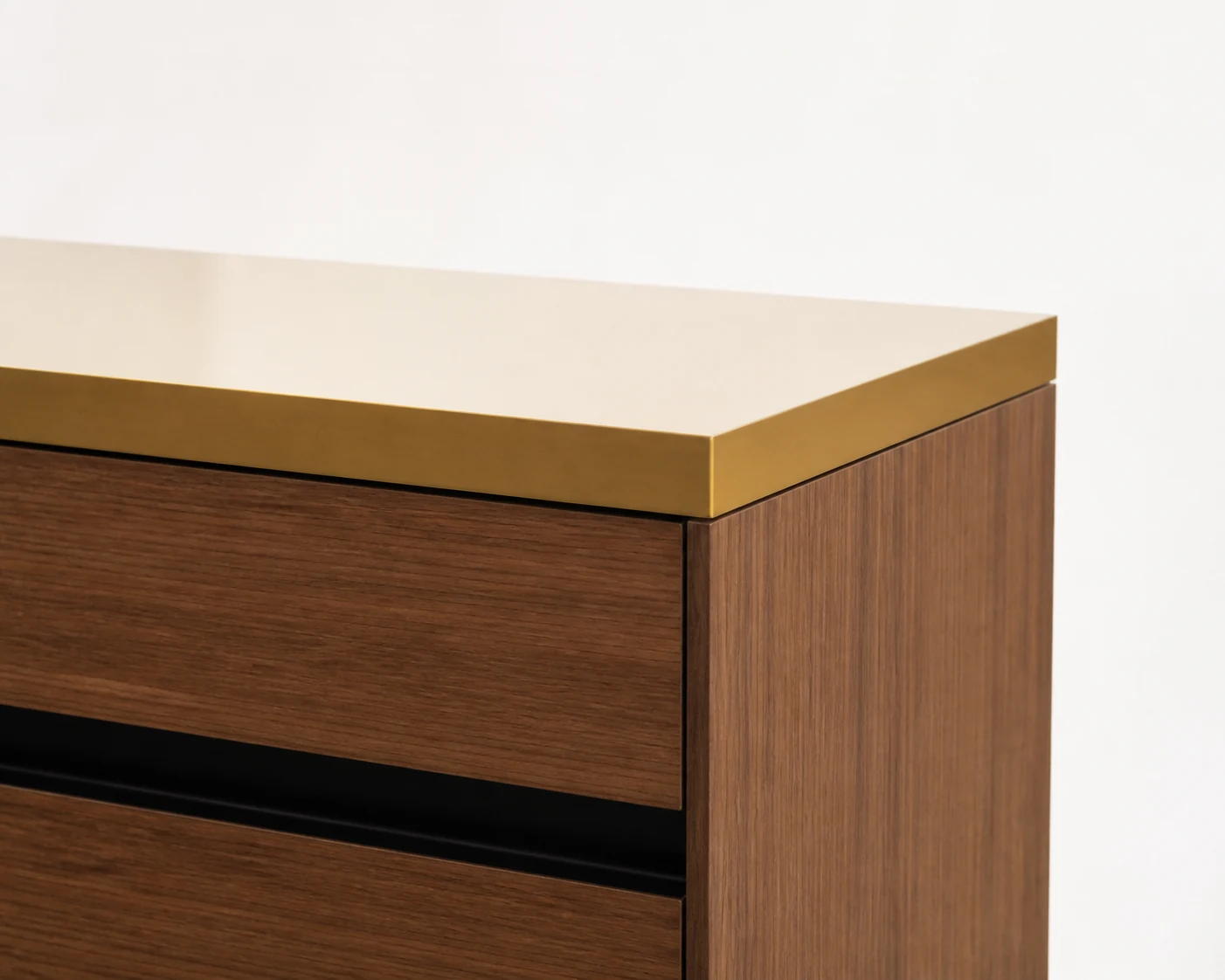
The detail of a fitting has a direct effect on how well it performs. Shelf thickness, edge treatment, access to storage, door opening space, counter height and display angles all influence daily use. These details may seem small on their own, but together they shape how smoothly the shop operates.
Durability also matters. Retail furniture is handled often, stocked repeatedly and cleaned regularly. Materials and finishes should be chosen with that daily use in mind. A finish that suits the setting can help units stay presentable, while practical construction helps them cope with regular retail activity.
Sprayed and polished finishes can be useful where a refined appearance is important, or where furniture needs to work with an existing interior scheme. When finish quality is part of the brief, spray and polish services can help create a more complete result.
Good shop fittings should make the retailer’s job easier as well as improving the customer experience. If staff can restock quickly, keep surfaces tidy and access what they need, the display is more likely to stay clear throughout the day.
- Custom shop fittings help retailers shape the customer journey around real products and real space.
- Bespoke shelving, counters and display units can make stock easier to see, compare and understand.
- Well planned shopfitting joinery can improve flow, use awkward areas and support staff tasks.
- Flexible display features make it easier to refresh ranges without losing structure.
- The best fittings combine practical storage, strong presentation and a consistent brand feel.
Frequently asked questions
What are custom shop fittings?
Custom shop fittings are retail furniture and display units made to suit a specific shop, product range and layout. They can include shelving, counters, display tables, storage units, wall displays and feature pieces.
How do bespoke shop fittings improve product display?
They allow products to be displayed at the right height, depth and spacing. This makes stock easier to view, compare and browse, while helping the whole shop feel more organised.
Are bespoke wood shop fittings suitable for different types of retail products?
Yes. Bespoke wood shop fittings can be designed around many product types, from small accessories to larger goods. The key is planning the size, strength, storage and finish around how the products are sold.
What should retailers consider before planning new shop fittings?
Retailers should think about customer movement, product categories, storage needs, staff access, display flexibility and the overall feel they want to create. These points help shape fittings that are practical as well as presentable.
Plan a clearer retail display
If you are reviewing your shop layout or planning new retail furniture, Parker’s Panel Products can help create practical bespoke fittings that support your stock, space and customer flow.