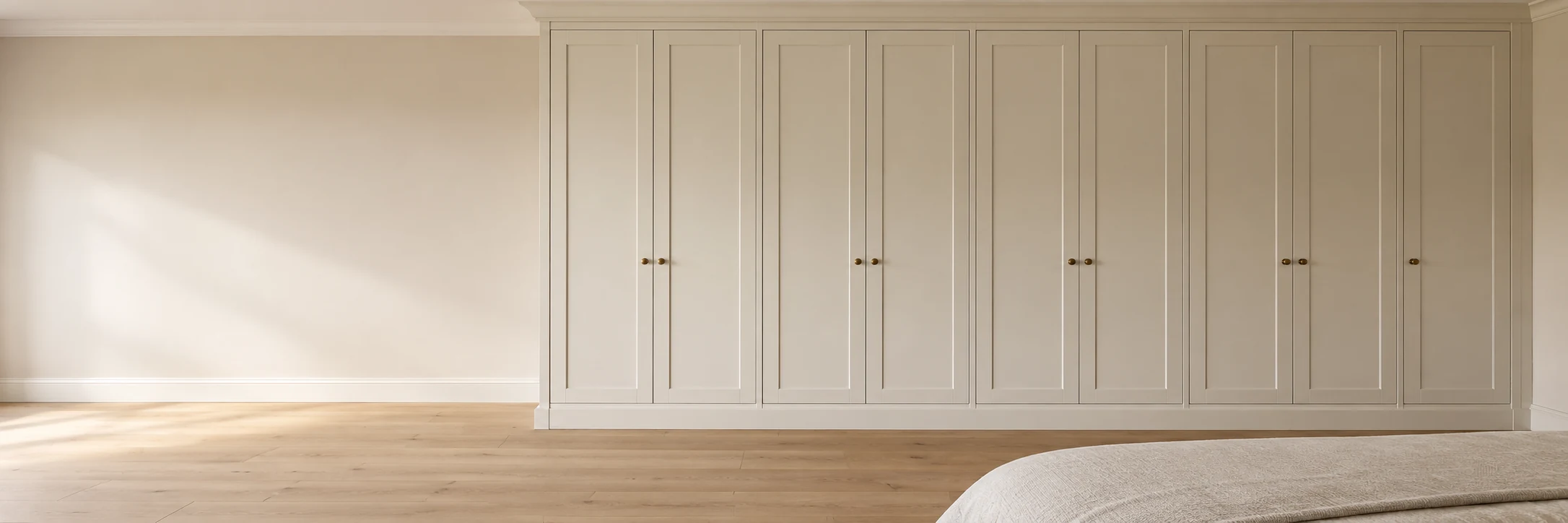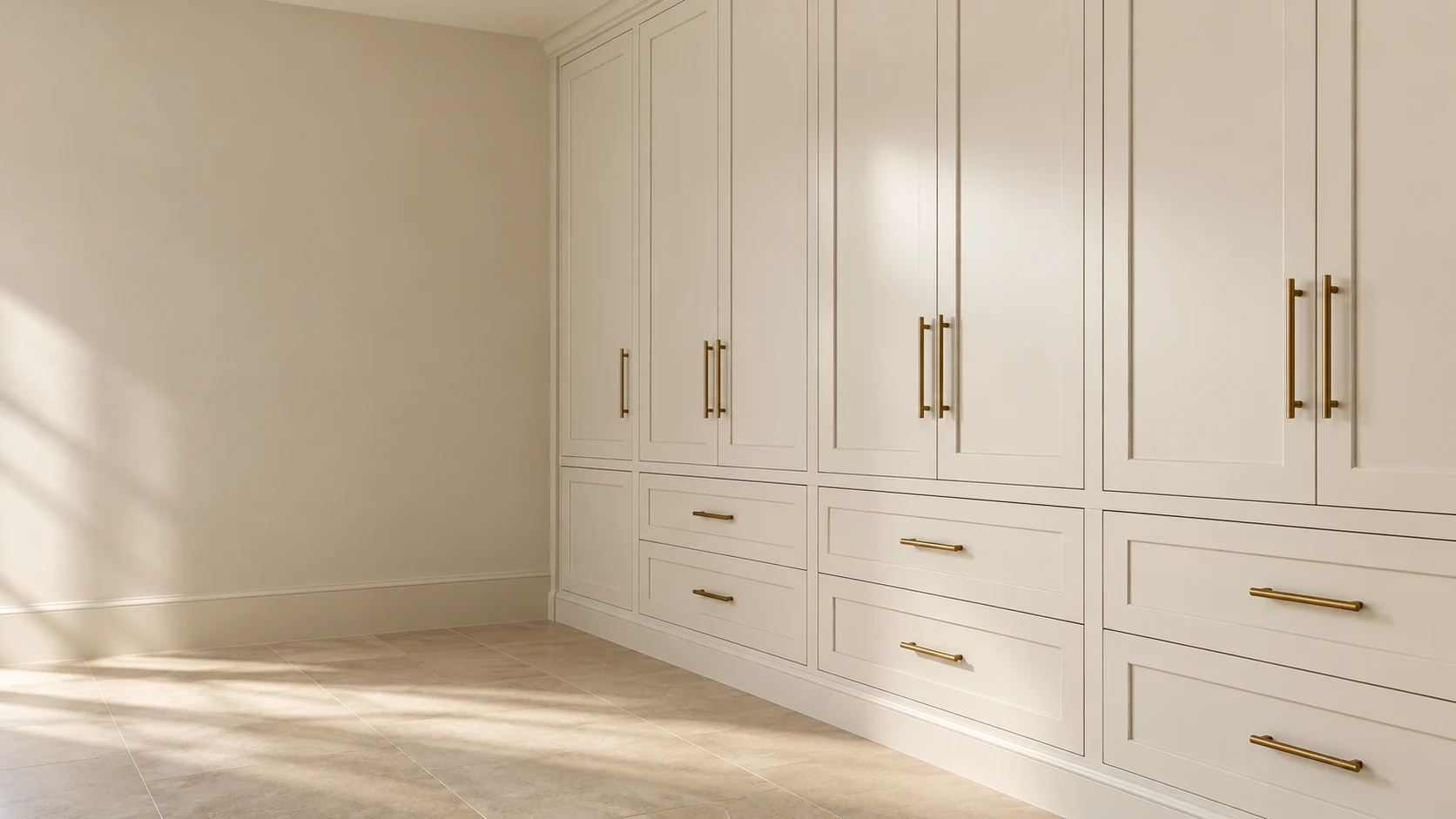
Fitted furniture should feel as carefully finished as it is designed. Doors, drawer fronts and surrounding panels need to work together, with smooth surfaces and a consistent sheen. Even well made furniture benefits from the right approach to finishing.
Professional spray finishing helps achieve that consistency by applying a coating in fine, controlled passes. Combined with thorough preparation and polishing where appropriate, it can give bespoke furniture a refined result. Understanding what contributes to that finish makes it easier to choose a suitable specification for your project.
Why spraying helps create a smoother surface
A spray gun breaks a liquid coating into fine droplets and distributes them across the surface. With suitable equipment settings and application technique, these droplets form an even film. This avoids the brush marks and roller texture that can occur with other application methods.
The benefit is particularly useful on fitted furniture because adjoining components are often viewed together. Small differences in texture or sheen can become noticeable across a run of cupboard doors. Controlled spraying helps keep the finish consistent from one component to the next.
Spraying also allows a finisher to coat mouldings, recessed details and shaped edges without relying on brush strokes to reach them. The application still needs careful control, especially around corners where excess material could collect.
A smooth result is not simply a matter of applying more coating. The aim is an appropriate, even film that can flow and cure as intended. The coating, its preparation and the way it is applied all contribute to the final surface.
Good preparation makes the biggest difference
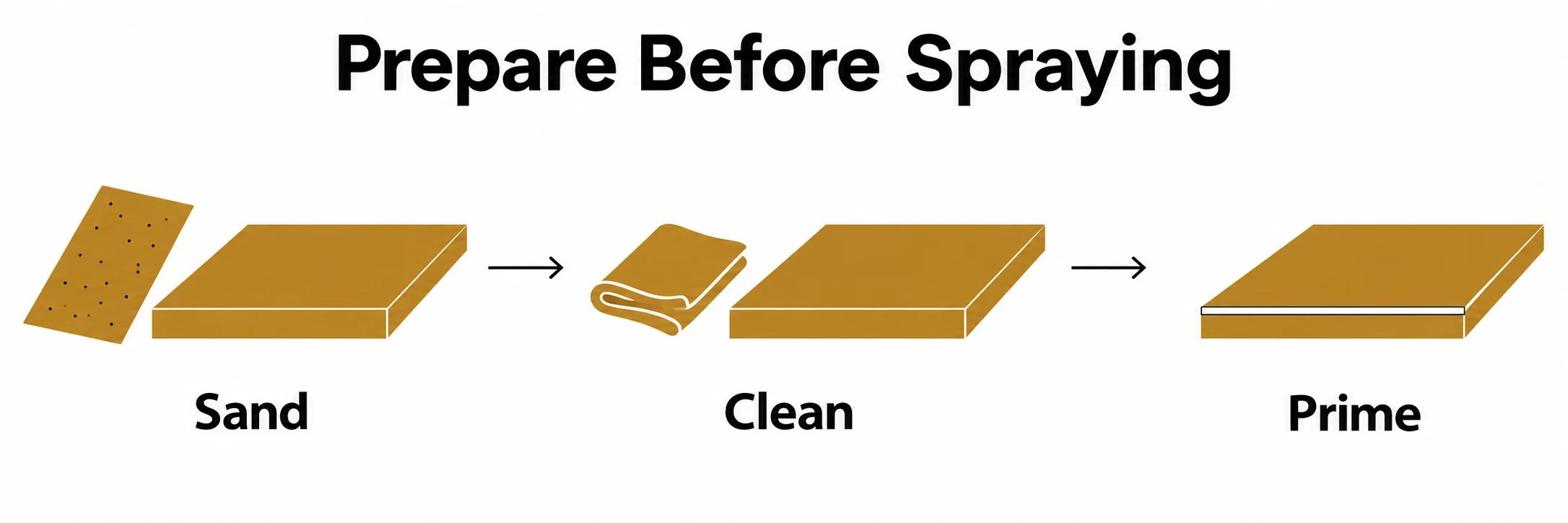
Spraying cannot hide every imperfection beneath a coating. Scratches, uneven joints and poorly prepared edges may remain visible, particularly with finishes that reflect more light. Preparing the furniture properly gives the coating a sound foundation.
The work depends on the material and the finish being specified. MDF, solid timber and veneered panels behave differently, so they should not automatically receive the same treatment. Exposed MDF edges, for example, can absorb coating differently from the faces and need suitable sealing.
A professional preparation process may include:
- Checking surfaces for defects and making appropriate repairs.
- Sanding to create an even surface without damaging profiles or veneers.
- Removing dust and contamination that could affect adhesion.
- Applying a compatible primer or sealer where required.
- Lightly sanding suitable intermediate coats before further application.
Existing furniture needs an additional assessment of its current coating. Any loose or incompatible finish must be addressed rather than simply covered. This helps the new finish adhere properly and supports a consistent result across both flat faces and detailed areas.
Controlled application brings separate components together
Fitted furniture is usually made from several parts, but the finished installation should feel cohesive. Doors, drawer fronts, end panels and trims may differ in shape and size. A planned finishing process helps them share a consistent appearance.
During spraying, factors such as gun distance, movement, overlap and material flow affect how evenly the coating is deposited. Suitable temperature, ventilation and dust control also help the finish form correctly. These details matter because surface texture can change when application conditions vary.
Allowing the appropriate interval between coats is another part of the process. The coating manufacturer’s guidance determines when a surface can be recoated, handled or put into use. A coating that feels dry may still need further curing before it reaches its intended performance.
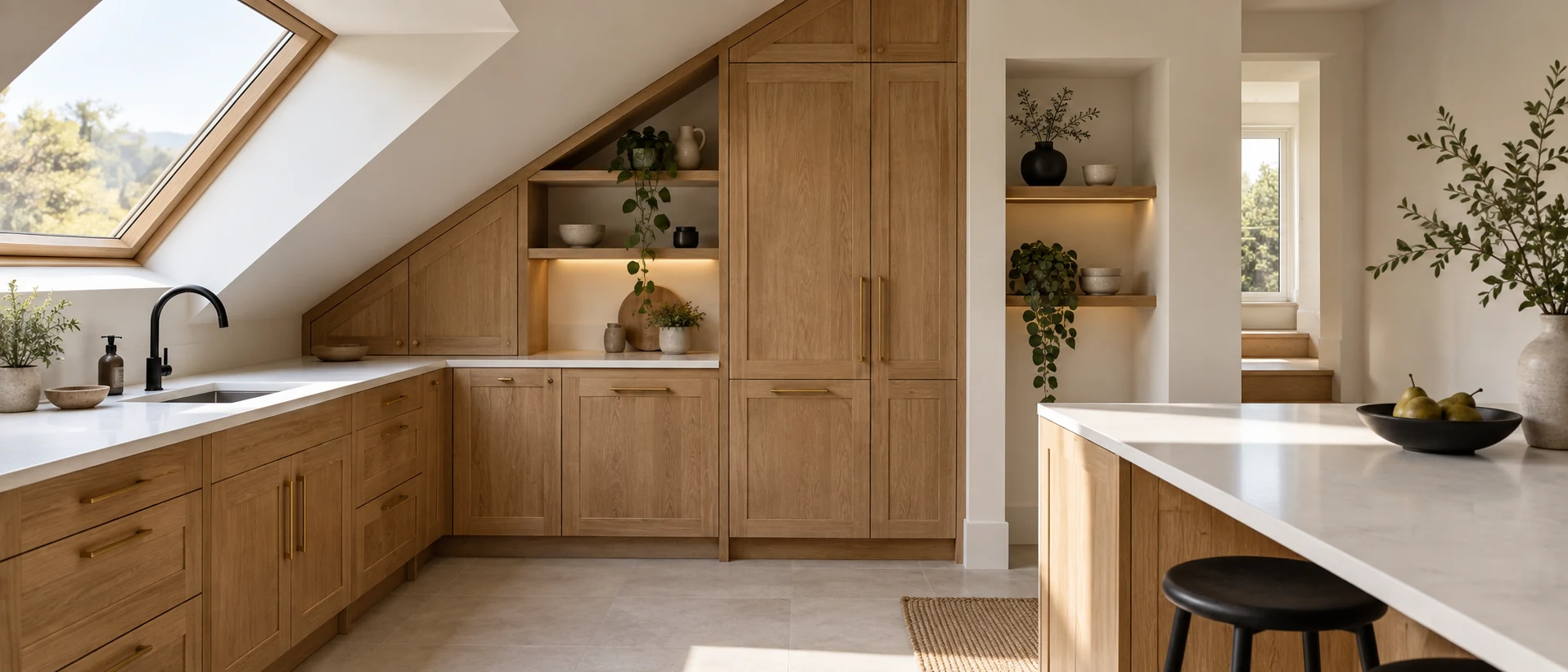
For bespoke kitchen furniture, this consistency is especially valuable across frequently handled doors and drawer fronts. Choosing a suitable coating system alongside controlled application helps balance a smooth appearance with the practical demands of everyday use.
What polishing adds, and when it is appropriate
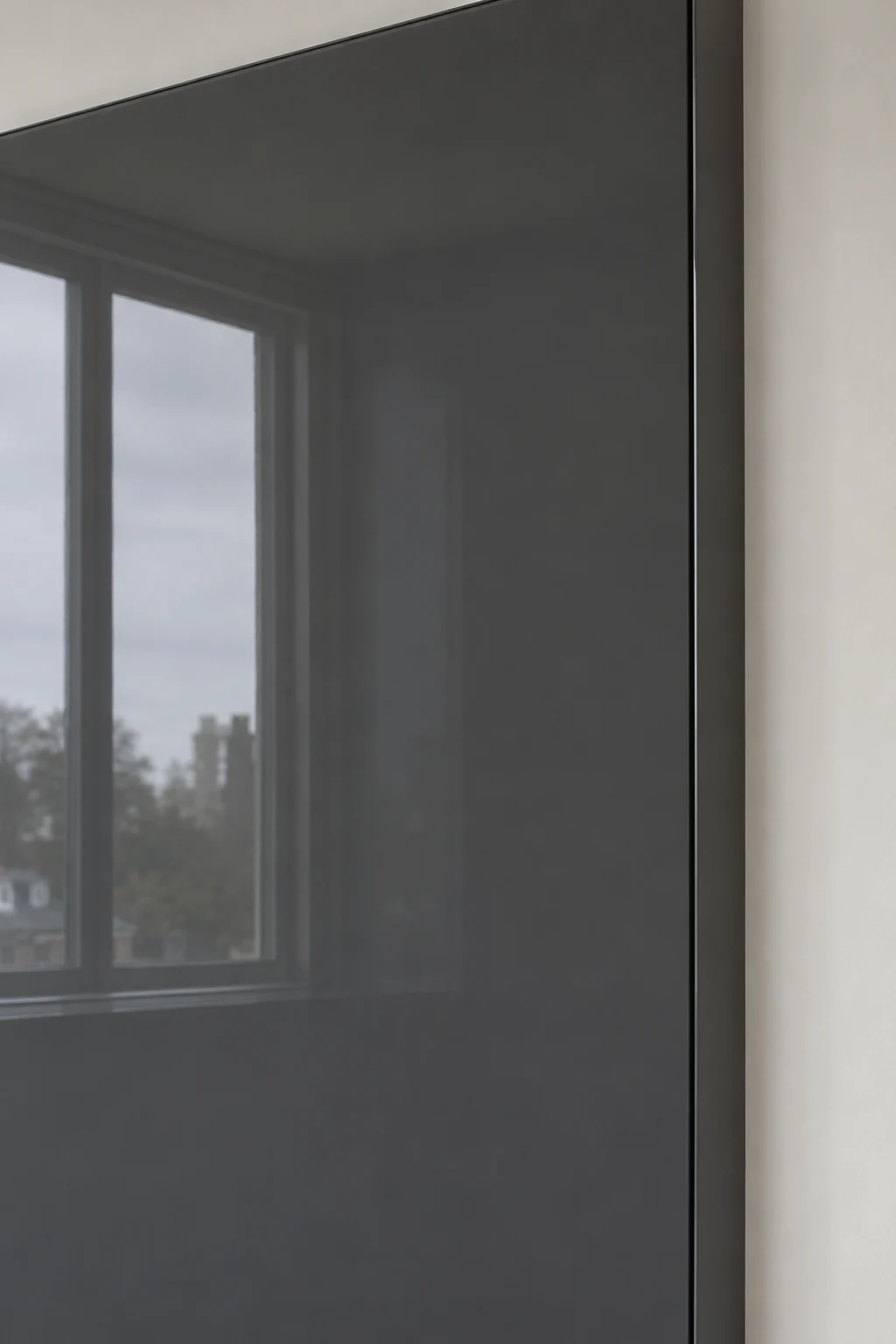
Spraying and polishing have different roles. Spraying applies the coating, while polishing can refine the surface of certain cured finishes. Where the coating system allows it, carefully controlled abrasive stages and polishing can reduce minor surface texture and improve clarity or gloss.
Not every sprayed finish needs this treatment. Matt and satin coatings are generally selected for their particular sheen, and polishing them can create unwanted shiny patches. The finishing method should suit the specified result rather than follow the same sequence for every piece of furniture.
Polishing also needs sufficient coating thickness and the correct curing conditions. Edges and detailed profiles require particular care because aggressive treatment could remove too much material. Professional judgement helps determine what refinement is appropriate.
When discussing spray finishing and polishing, ask about the complete finish rather than gloss alone. A sample can help you assess smoothness, sheen and how the surface feels. It also gives everyone a shared reference before the furniture is finished.
Choosing a finish that suits the furniture
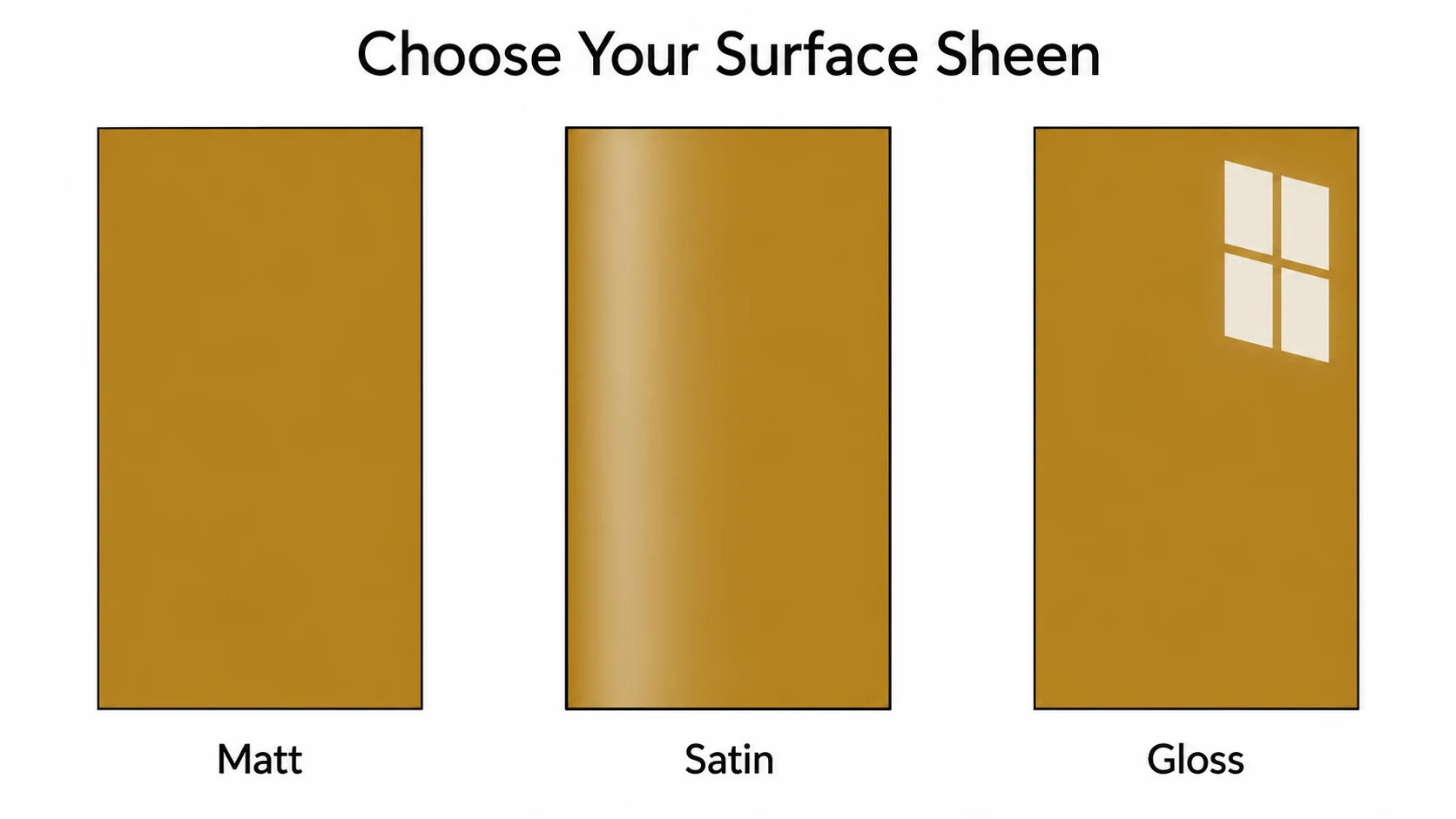
The best finish supports both the design and the way the furniture will be used. A wardrobe door has different demands from a reception counter or a kitchen drawer front. Smoothness matters, but so do resistance to handling, suitable cleaning methods and compatibility with the underlying material.
For shop and hotel furniture, discuss the expected frequency of use and cleaning when agreeing the specification. Coating performance depends on the system selected, its application and curing, rather than spraying alone.
Useful points to agree before finishing include:
- The required sheen and whether timber grain should remain visible.
- Which faces, edges and internal surfaces need finishing.
- Any need to coordinate with existing furniture.
- The expected exposure to moisture, heat and regular handling.
- Care instructions and any precautions during the initial curing period.
Once installed, use the recommended cleaning products and avoid abrasive pads or unnecessary rubbing. Wipe up spills promptly and follow any guidance on heat and moisture. Appropriate everyday care helps preserve the surface without changing its intended sheen.
- Spraying helps create an even coating without brush marks or roller texture.
- Careful preparation is essential, especially around edges, joints and existing finishes.
- Polishing suits certain coating systems, not every sheen.
- Choose the finish around the furniture’s materials, use and cleaning needs.
Frequently asked questions
Can existing fitted furniture be spray finished?
Often, yes, provided the furniture is structurally sound and its surfaces can be prepared appropriately. The existing coating, substrate and access all need assessment. Removable doors and drawer fronts may be treated separately from fixed components, with the approach agreed for the particular project.
Does spray finishing always produce a glossy surface?
No. Spray finishing is an application method, not a sheen. Suitable coatings can produce matt, satin or gloss results. The choice depends on your preferred appearance, the material beneath and the performance needed for the furniture.
Will a sprayed finish hide timber grain?
Not necessarily. Clear finishes retain the timber’s appearance, while opaque finishes cover its colour but may still reveal grain texture. Achieving a more uniform surface can require additional preparation and a suitable coating system. A sample helps establish the intended result.
Is spray finished furniture easy to clean?
A smooth, sound coating can make routine wiping straightforward. Use the care instructions supplied for the particular finish, as resistance to cleaners varies. Avoid assuming that furniture polish is needed, especially on matt surfaces where it could alter the sheen.
Discuss the finish for your fitted furniture
Parker’s Panel Products can help you consider spray finishing and polishing alongside your bespoke furniture plans. Tell us how the furniture will be used and the result you would like, and we can discuss a suitable approach.