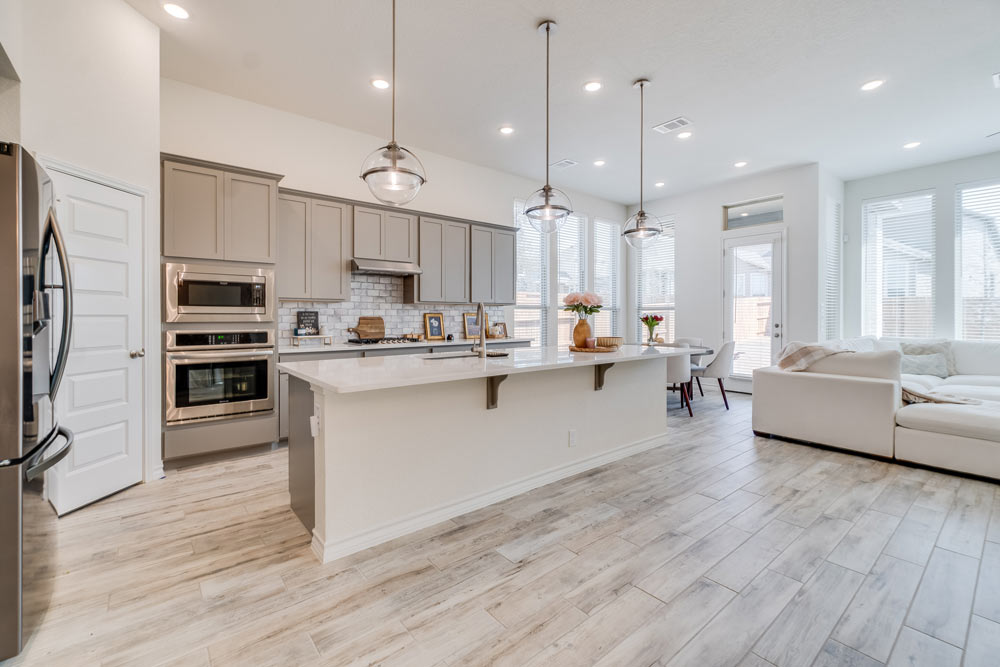
Choosing a new kitchen usually begins with a deceptively simple question: should you buy standard units or invest in a bespoke kitchen?
At first glance, off-the-shelf kitchen units can appear to be the easiest option. They are widely available, often competitively priced and usually displayed in neat showroom layouts that make the buying process feel straightforward. Bespoke kitchens, meanwhile, tend to involve more planning, more choice and a higher initial investment.
The real difference becomes clearer when you look beyond the cabinet doors. A kitchen is used every day, often for many years, so the way it fits, functions and responds to your household matters just as much as its appearance.
What Is an Off-the-Shelf Kitchen?
An off-the-shelf kitchen is manufactured using standard cabinet sizes, layouts and finishes. Customers choose from a predetermined range of base units, wall cupboards, tall housings, doors, handles and worktops.
These kitchens are designed to suit a broad range of homes. Common cabinet widths might include 300mm, 500mm, 600mm and 1,000mm, allowing installers to combine units to fit the available walls.
This system works well in many straightforward spaces. However, kitchens are rarely perfectly uniform. Walls can be uneven, corners may be awkward and features such as chimney breasts, boxed-in pipes or sloping ceilings can complicate the layout. Standard units may then leave unused gaps that need to be covered with filler panels.
What Makes a Kitchen Bespoke?
A bespoke kitchen is designed and manufactured specifically for the room in which it will be installed. Rather than forcing the space to work around predetermined cabinet sizes, the furniture is made around the actual dimensions, architecture and practical requirements of the property.
Cupboards can be adjusted in height, width and depth. Units may be built around structural details, while drawers, shelving and internal storage can be planned around the items the homeowner needs to keep.
A bespoke project might include an extra-deep drawer for large pans, a slim cupboard for baking trays or a pantry fitted neatly around an existing alcove. Even relatively small adjustments can make the room easier to use.
Making Better Use of Available Space
One of the strongest advantages of a bespoke kitchen is its ability to use space more efficiently.
Standard kitchen units may fit well across a long, straight wall. Problems often arise where the remaining space is slightly too narrow for another full cabinet. The solution is usually a blank panel or an inaccessible gap.
With made-to-measure furniture, that remaining space might become a narrow pull-out cupboard, tray store, spice rack or set of shelves. Tall cabinetry can also be manufactured closer to the ceiling, reducing unused space above the units while creating additional storage.
This is particularly valuable in smaller kitchens, where every available centimetre can make a noticeable difference.
Design Freedom and Personal Choice
Off-the-shelf kitchens offer choice, but it is choice within an established range. Customers select from the colours, finishes, handles and unit styles made available by the supplier.
For many households, this is more than adequate. A standard range can provide a smart, coordinated result without making the design process overly complicated.
Bespoke kitchens allow far greater control. Cabinet proportions, door styles, finishes, decorative details and internal layouts can all be tailored. This makes it easier to create something that suits the age and character of the property rather than following a single fashionable look.
For example, a modern extension might suit clean, handleless cabinetry with an integrated breakfast bar. A period property may benefit from painted timber doors, traditional detailing and furniture designed around original architectural features.
Quality of Construction
Quality varies considerably in both standard and bespoke kitchens, so neither category should automatically be treated as superior.
Some off-the-shelf kitchens are well made, while others are produced primarily to meet a lower price point. Differences may be found in the thickness of the cabinet boards, the quality of the edging, the strength of drawer boxes and the reliability of hinges and runners.
A carefully manufactured bespoke kitchen generally gives the customer more control over these details. Materials and fittings can be selected according to the intended use, finish and budget.
It is worth looking beyond the visible doors. The construction of the cabinets, drawer mechanisms and internal fittings will influence how the kitchen performs after years of daily use.
Installation and Fit
Even good-quality kitchen units can look disappointing when they are poorly installed.
Standard kitchens often require filler panels, scribes and adjustments to deal with uneven walls. A capable installer can manage these issues effectively, but the result still depends on how well the fixed cabinet sizes suit the room.
Bespoke furniture is measured and manufactured for the specific space. This can create a more integrated appearance, particularly around ceilings, corners, alcoves and unusual wall shapes.
Careful fitting also helps cabinetry sit more naturally within the room. Rather than looking like a collection of separate boxes placed against the walls, the kitchen can feel more like part of the building itself.
Cost and Long-Term Value
Price is one of the main reasons homeowners choose off-the-shelf units. Standardised manufacturing allows suppliers to produce cabinets in large quantities, keeping costs lower and making replacements easier to source.
A bespoke kitchen usually costs more because it involves individual design work, detailed measuring, custom manufacturing and specialist installation. The final price will also depend on the materials, finishes, fittings and complexity of the layout.
That said, the lowest initial cost is not always the lowest long-term cost. A kitchen that uses space poorly, lacks sufficient storage or begins to wear quickly may need alterations or replacement sooner than expected.
A well-planned bespoke kitchen may also improve the appeal of a property. It should not be viewed purely as an investment that guarantees a particular return, but quality fitted furniture can certainly contribute to a stronger overall impression.
Timescales and Convenience
Off-the-shelf kitchens are often available more quickly. Some units may be held in stock, while others can be delivered within a relatively short lead time.
Bespoke kitchens require more preparation. Designs must be agreed, materials ordered and furniture manufactured before installation can begin. This makes forward planning important, particularly when the kitchen forms part of a larger renovation or extension.
The longer process may be worthwhile for customers who want a specific result. However, someone working to a tight deadline or preparing a rental property may prefer the speed and simplicity of standard cabinetry.
Which Option Is Right for You?
An off-the-shelf kitchen may be the right choice when the room has a straightforward layout, the budget is limited or the project needs to be completed quickly. It can still look excellent when the units are carefully selected and professionally installed.
A bespoke kitchen may be more suitable when space is unusual, storage needs are specific or the customer wants greater control over the design and finish. It can also be a sensible choice for homeowners who expect to remain in the property for many years and want the kitchen to work around their routines.
The decision does not need to be based on appearance alone. Think about how you cook, what you store, where appliances need to sit and which parts of your current kitchen cause frustration.
Creating a Kitchen Around Your Home
Both standard and bespoke kitchens have their place. The important thing is to understand what you are gaining—and what you may be compromising—with each option.
Off-the-shelf units offer accessibility, speed and predictable pricing. Bespoke kitchens provide greater flexibility, more efficient use of space and a design shaped around the individual property.
Parkers creates made-to-measure kitchen furniture for a wide variety of homes, from fitted cabinets and pantry units to islands, breakfast bars, appliance housings and tailored storage. Each project is planned around the room, the customer and the practical demands of everyday life.